


tcampbell1000 (![[personal profile]](https://www.dreamwidth.org/img/silk/identity/user.png) tcampbell1000) wrote in
tcampbell1000) wrote in ![[community profile]](https://www.dreamwidth.org/img/silk/identity/community.png) scans_daily2026-05-06 11:21 pm
scans_daily2026-05-06 11:21 pm
tcampbell1000) wrote in scans_daily2026-05-06 11:21 pmEntry tags:
Superdickery 1993: Die Mad About It (JLA #63-71/JLI 92)
Considering how he seemed to regard Max Lord’s Justice League, one might expect Superman to hallucinate this in his last few minutes of life:
ICE: Whoa, I can’t believe you won, Superman! Doomsday seemed like he was too much even for you!
SUPERMAN: I…(haff)…I did what I had to, Ice…it’s only what any COMPETENT superhero would have done…
GUY: Yeah, it’s almost as rocksauce as how I woulda done it!
ICE: Here, let me ice your wounds. Your body clearly needs… 💖 lots of attention 💖 …
MAXIMA: A magnificent demonstration of f#ckability, Kryptonian. [shoves aside Ice, who flies through the air and falls into a dumpster] Now, we bang.
‘‘BLOODWYND’’: I am also impressed. Or am I? I refuse to tell you anything about myself. I am…me. That is all you need to know!
BOOSTER: Hold still while I get a victory selfie with you, Supes!
SUPERMAN: Ack…(choke)…
FIRE: Oh, me next! My new costume’ll really pop if we get Doomsday’s bloody corpse in the background!
BLUE BEETLE: Hope you don’t mind, I just sold the rights to Doomsday’s body as the site of a new casino!
SUPERMAN: I…I can’t take it anymore…kkkkkkk…kk.
BLUE BEETLE: …Supes?
( GUY GARDNER: Wow. What a wuss! )
ICE: Whoa, I can’t believe you won, Superman! Doomsday seemed like he was too much even for you!
SUPERMAN: I…(haff)…I did what I had to, Ice…it’s only what any COMPETENT superhero would have done…
GUY: Yeah, it’s almost as rocksauce as how I woulda done it!
ICE: Here, let me ice your wounds. Your body clearly needs… 💖 lots of attention 💖 …
MAXIMA: A magnificent demonstration of f#ckability, Kryptonian. [shoves aside Ice, who flies through the air and falls into a dumpster] Now, we bang.
‘‘BLOODWYND’’: I am also impressed. Or am I? I refuse to tell you anything about myself. I am…me. That is all you need to know!
BOOSTER: Hold still while I get a victory selfie with you, Supes!
SUPERMAN: Ack…(choke)…
FIRE: Oh, me next! My new costume’ll really pop if we get Doomsday’s bloody corpse in the background!
BLUE BEETLE: Hope you don’t mind, I just sold the rights to Doomsday’s body as the site of a new casino!
SUPERMAN: I…I can’t take it anymore…kkkkkkk…kk.
BLUE BEETLE: …Supes?
( GUY GARDNER: Wow. What a wuss! )
Travis (torachan) wrote2026-05-06 07:43 pm
torachan) wrote2026-05-06 07:43 pmEntry tags:
Daily Happiness
1. They opened an Ikea near us! Previously the closest ones were about twenty miles away, but this one is more like five. We need to get another shelf for in the garage (Carla's album collection has grown beyond the shelf its been sharing with my puzzles), so we're going to go check it out this weekend.
2. Yesterday at work I heard a song playing and shazammed it and found out that Damiano David of Manneskin has a solo career, so when I got home I gave his album a listen and it's really good! The song I heard at work was Zombie Lady and I think it might be my favorite off the album but there are a lot of other great tracks, too.
3. Jasper being a brave boy at the vet on Monday.

2. Yesterday at work I heard a song playing and shazammed it and found out that Damiano David of Manneskin has a solo career, so when I got home I gave his album a listen and it's really good! The song I heard at work was Zombie Lady and I think it might be my favorite off the album but there are a lot of other great tracks, too.
3. Jasper being a brave boy at the vet on Monday.

mific (mific) wrote2026-05-07 01:21 pm
mific) wrote2026-05-07 01:21 pmEntry tags:
A Cracky Omegaverse fic that insisted on being written
This was a prompt in the ICE OUT donation challenge that caught my eye, and suddenly I was with bunny. I can only write crack in omegaverse, so it's extremely cracky.
To the Victor, the Spoils on AO3 (Shane/Ilya, M, no warnings).
Summary: Montreal secedes, installs Metros captain and noted omega Shane Hollander as their constitutional monarch, and organizes a skills contest for his hand in marriage.
How did my life turn into this circus? Learning the intricacies of the skills competition at the NHL All Stars weekend so as to write omegaverse crack? OMG, what are my monkeys doing now! (hockey and fucking)
To the Victor, the Spoils on AO3 (Shane/Ilya, M, no warnings).
Summary: Montreal secedes, installs Metros captain and noted omega Shane Hollander as their constitutional monarch, and organizes a skills contest for his hand in marriage.
How did my life turn into this circus? Learning the intricacies of the skills competition at the NHL All Stars weekend so as to write omegaverse crack? OMG, what are my monkeys doing now! (hockey and fucking)
Case (case) wrote in fandomsecrets2026-05-06 07:03 pm
case) wrote in fandomsecrets2026-05-06 07:03 pm[ SECRET POST #7061 ]
⌈ Secret Post #7061 ⌋
Warning: Some secrets are NOT worksafe and may contain SPOILERS.
01.
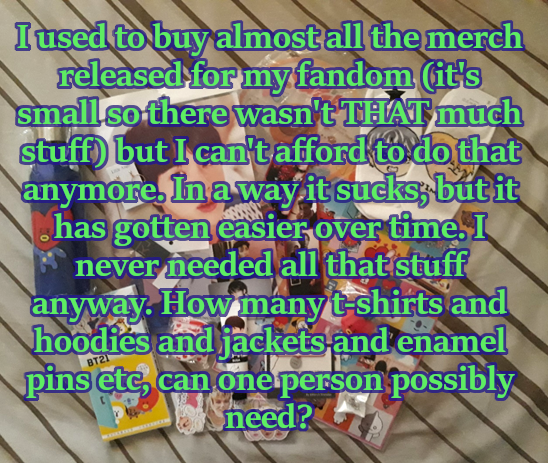
( More! )
Notes:
Secrets Left to Post: 01 pages, 16 secrets from Secret Submission Post #1008.
Secrets Not Posted: [ 0 - broken links ], [ 0 - not!secrets ], [ 0 - not!fandom ], [ 0 - too big ], [ 0 - repeat ].
Current Secret Submissions Post: here.
Suggestions, comments, and concerns should go here.
sunnymodffa (sunnymodffa) wrote in fail_fandomanon2026-05-07 11:33 am
sunnymodffa) wrote in fail_fandomanon2026-05-07 11:33 amFFA DW Post #2475- They say catboy slavery, dragon oviposition & tentacle porn like it's a bad thing
Girl... what were YOU doing at the catboy torture sacrament?
Obviously the catboys should be the masters. Cats are served.
All the
fail_fandomanon Rules and Information (and Ban Requests): https://fail-fandomanon.dreamwidth.org/1076.html. The short version: no embeds, don't out people's real names, don't be that much of an asshole, body fluids are off topic, Mods reserve the right to freeze, screen, and delete the fuck out of stuff. FFA discussion covers a wide variety of topics and has a very flexible view of 'fandom' that includes politics, current events, and cooking techniques. FFA is a Choose NOT to Warn experience. Meme away.Other posts on meme:
- Personal Issues, Off Topic Conversation, Religion, & Everything Else post (PP #32)
- Fic and WIP Post
- Book Clubs, Watchalongs, & Readalongs
- Prompt & fill fests: for FFA Post #1000, FFA's 10th anniversary, FFA Post #1500, & FFA Post #2000
Search
- Unofficial FFA archive & search: Dememe.info Username/password pairs are nonnie/pony, nonny/seal, or ayrt/velociraptor. As of 2025, Dememe is geoblocked for the UK.
- If you have a DW account, you can use DW's content search. Don't forget to tick the box to search in comments. You can also use FFA Rocks.
Related communities and additional resources
- New unofficial FFA wiki (archive: ffawiki_backup)
- New unofficial FFA Writers Tips & Recs wiki
- Unofficial Fyeah FFA tumblr
- Unofficial FFA recs list
- Unofficial FFA Discord Chat
- DW Blocker link & tips and now New! 2024 Updated DW Blocker Guide
- How to link to another account on DW or other sites. If you don't want to create a clickable link, type a backslash (\) before the @.
Meme rules do not require spoiler cuts. But here are two ways to make them:
| HTML-5 (recommended) | |
Demo:spoiler titleSome spoilery content. |
|
| Alternative for inline spoiler-cuts - details here | |
| Demo: spoiler title Some spoilery content. |
|
If you would like to be banned to avoid anonfailing, please leave a logged-in comment at the rules post. It will be automatically screened.
Next post: will open when this posts hits 5000
Previous post: https://fail-fandomanon.dreamwidth.org/733262.html#comments
Regular view - First page: https://fail-fandomanon.dreamwidth.org/733543.html#comments
Regular view - Last page: https://fail-fandomanon.dreamwidth.org/733543.html?page=999#comments
Top Level view - First page: https://fail-fandomanon.dreamwidth.org/733543.html?view=top-only#comments
Top Level view - Last page: https://fail-fandomanon.dreamwidth.org/733543.html?view=top-only&page=999#comments
Flat view - First Comment: https://fail-fandomanon.dreamwidth.org/733543.html?view=flat#comments
Flat view - Most Recent: https://fail-fandomanon.dreamwidth.org/733543.html?view=flat&page=999#comments
Dememe flatview emulator is at https://dememe.info/flat_view (same login as the regular Dememe info above).
These topics are banned:
- 'Which topics belong on main meme'
- the game Hogwarts Legacy
- discussion about current events in Israel and Palestine
- US Politics
Only one clearly named top-level thread for each of the following topics:
- Disruptive and Provocative Opinions (DAPO)
- sexual abuse and rape culture
- UK Politics
- Russia's invasion of Ukraine and related current events
Huxleyenne (huxleyenne) wrote in addme_fandom2026-05-06 01:59 pm
huxleyenne) wrote in addme_fandom2026-05-06 01:59 pmHello!
Name: Risa
Age group: Late 30s (Millennial)
Country: Northeast, USA
Subscription/Access Policy: Semi-friends only. Mostly public. Will grant you access if you ask and seem like good company.
Main Fandoms: WWE, Final Fantasy IX, Persona 5
Other Fandoms: Here's a list. I've been in fan spaces so long, that list will never stop growing. Attempting to list all my favorite ships and characters would take forever.
Fannish Interests: Writing fanfiction and participating in fic writing communities/events.
OTPs and Ships: The Shield / Rolleigns is the center of my world.
Favourite Movies: Titanic, Pan's Labyrinth, The Secret of NIMH
TV Shows: Survivor, House MD, South Park, Bob's Burgers
Books: Brave New World (Aldous Huxley), Amusing Ourselves to Death (Neil Postman), The Hunger Games (Suzanne Collins)
Music: Video game soundtracks. Nobuo Uematsu, Yasunori Mitsuda, and Shoji Meguro are three of my favorite composers.
Games: Final Fantasy IX, Persona 5, Suikoden (the original), Pokemon
Comics/Anime/Misc: Dragon Ball Z, Sailor Moon, Teenage Mutant Ninja Turtles, and many, many more.
Age group: Late 30s (Millennial)
Country: Northeast, USA
Subscription/Access Policy: Semi-friends only. Mostly public. Will grant you access if you ask and seem like good company.
Main Fandoms: WWE, Final Fantasy IX, Persona 5
Other Fandoms: Here's a list. I've been in fan spaces so long, that list will never stop growing. Attempting to list all my favorite ships and characters would take forever.
Fannish Interests: Writing fanfiction and participating in fic writing communities/events.
OTPs and Ships: The Shield / Rolleigns is the center of my world.
Favourite Movies: Titanic, Pan's Labyrinth, The Secret of NIMH
TV Shows: Survivor, House MD, South Park, Bob's Burgers
Books: Brave New World (Aldous Huxley), Amusing Ourselves to Death (Neil Postman), The Hunger Games (Suzanne Collins)
Music: Video game soundtracks. Nobuo Uematsu, Yasunori Mitsuda, and Shoji Meguro are three of my favorite composers.
Games: Final Fantasy IX, Persona 5, Suikoden (the original), Pokemon
Comics/Anime/Misc: Dragon Ball Z, Sailor Moon, Teenage Mutant Ninja Turtles, and many, many more.
VeroNyxK84 (veronyxk84) wrote in su_herald2026-05-06 11:59 pm
veronyxk84) wrote in su_herald2026-05-06 11:59 pmThe Sunnydale Herald Newsletter, Wednesday, May 6
GLORY: We got this part right, that's for sure. Lot of sucky things in this dimension — bubble baths? Not one of 'em. Know what I mean?
JINX: I am in thunderous agreement, oh glittering, glistening Glorificus.
GLORY: I wasn't talking to you.
MURK: Uh, begging your pardon, and begging in general, but ... were you talking to me?
GLORY: Eww. Yeah, right. Like any of you have ever bathed, anyway.
JINX: I am in thunderous agreement, oh glittering, glistening Glorificus.
GLORY: I wasn't talking to you.
MURK: Uh, begging your pardon, and begging in general, but ... were you talking to me?
GLORY: Eww. Yeah, right. Like any of you have ever bathed, anyway.
The Sunnydale Herald is looking for at least one new editor. Contributing to the Herald is a great way to get your Buffy on! Find out more here.
[Drabbles & Short Fiction]

- Being The Slayer (Buffy, PG) by badly_knitted

- [COLLECTION] 2 works for BtVS | The Mane Event 2026 (Buffy/Spike, M + Buffy & Dawn, G) by unrevealed authors
- Bleeding Sun: Bloodsucker (Blood Loss) (Spike, M) by victorfreakenstein
- Don't leave me hanging (Buffy/Spike, G) by underfallingstars
- What Little She Gives (Buffy/Spike, G) by Coxilou
- The Sun Will Rise (Angel/Spike, T) by athingworthsaving
- Salvage (Buffy/Spike, T) by I_cant_find_a_name
- Kiss Me Through the Phone (Buffy/Giles, E) by Skyson
- Choices (Buffy, Dawn, Willow, T) by winterstraces

- Bloodsucker (Blood Loss) (Spike, M) by victorfreakenste1n

- I Dreamed That Fire Was Freezing (Buffy/Spike, PG-13) by acekoomboom
[Chaptered Fiction]
- A Stake In The Family, Chapter 25/? (Buffy/Spike, M) by voidslayerworks98
- Let it Ride, Chapter 2/? (Xander, Buffy, Willow, T) by dogbertcarroll, Narsil
- The Truth is Out There (Stranger than Fiction), Chapter 9/? (Buffy, Xander, Willow, X-Files xover, T) by arcanedreamer
- Stuck Inside These Four Walls, Chapter 3/? (Buffy/Spike, Tara & Spike, not rated) by BloodyEll42
- To Have You Back Again, Chapter 3/4 (Xander/Larry, E) by calikocat
- Taking the Initiative, Chapter 1/? (Buffy/Riley, Tara/Willow/Buffy, T) by storiwr
- Infinitely, Chapter 100/? (Willow/Tara, M) by Laragh
- Monsters Don't Get Miracles, Chapter 6/? (Drusilla, Angel/Cordelia, Angel/Drusilla, T) by She_posts_nerdy_stuff
- Ashes to Amber, Chapter 8/42 (Buffy/Jacob Black, Twilight xover, not rated) by Aya1600
- Life With Buffy, Chapter 1/5 (Buffy/Spike, Tara/Willow, T) by Joan963z

- Wrong, Chapter 8 by [R] (Buffy/Spike, R) by Kazfox
- Hellbound With Me, Chapter 1 (Buffy/Spike, R) by acekoomboom
- Restructuring Reality [Series Part 3], Chapter 23 (Buffy/Spike, NC-17) by Ragini
- Chasing Happily Ever After, Chapter 6 (Buffy/Spike, NC-17) by Melme1325
- Way Back, Chapter 4 (Buffy/Spike, NC-17) by Melme1325
- Father, Lead Us Not Into Temptation, Chapter 16 (Buffy/Spike, PG-13) by YouCutYourHair
- With the gales of November remembered, Chapter 7 (Buffy/Spike, NC-17) by zinjadu
- Staked through the heart (and you're to blame), Chapter 7 (Buffy/Spike, NC-17) by Ninereeds
- Aphrodite Blossoms, Chapter 3 (Buffy/Spike, NC-17) by Safire
- And no net ensnares me, Chapters 15-16 Complete! (Buffy/Spike, NC-17) by Sirabella
- Lodestar, Chapters 5-8 (Buffy/Spike, Adult Only) by Pesseyer
- 10 Things I Hate About Riley Finn, Chapters 3-7 (Buffy/Spike, R) by Kazfox
- Wrong, Chapters 6-8 (Buffy/Spike, R) by Kazfox
- With the gales of November remembered, Chapter 7 (Buffy/Spike, NC-17) by zinjadu
- The Gift, Chapter 29 (Buffy/Spike, PG-13) by Corvidae
- Lost and found, Chapter 26 (Buffy/Spike, R) by JSBirsa
- And no net ensnares me, Chapters 15-16 Complete! (Buffy/Spike, NC-17) by Sirabella
- Revelations, Chapters 71-72 (Buffy/Spike, NC-17) by Niamh
[Images, Audio & Video]
- Artwork: Buffy Buffy Buffy (worksafe) by scxrlet64
- Artwork: on discord, carryingstarlightinherwake suggested giles in this cardigan and i was happy to oblige (Giles, worksafe) by mohich
- Artwork: Yay rushed this :3 (Warren/Andrew, worksafe) by garscrucible
- Artwork: [Moodboard] Angel x Spike + Cool Colors (Angel/Spike, G) by MadeInGold
[Reviews & Recaps]

- Buffy the Vampire Slayer S3E20 "The Prom" Recap & Review (Major Slayage) by Major Slayage - A Buffy Rewatch Podcast

- Finally got through season 3 by kingkellogg

- PODCAST: Episode 129: Tough Love & Spiral by Gym Was Cancelled
[In Search Of]
- ISO: Sorry if this has been asked but any great Rewatch podcasts for Angel? requested by productjunkie76
[Fandom Discussions]
- Willow beloved for the character ask answered by camellcat
- Something that I think gets overshadowed […] is Dawn Summers in Normal Again (6x17) by fictiongods
- for the character ask game: xander? answered by camellcat
- Every time Spike and Buffy kiss it’s a whole event by lxvespxffy
- Angel for the ask game? by camellcat
- Buffybot for the character ask :] answered by lycanpunk666
- Buffy’s Personality in Angel by Educational_Potato18
- Angel 1952 > 1996 by cycleofnature
- what was the Mayor's endgame by trying to release Angelus in the episode enemies? by voldy1989
- Was Buffy getting there with Riley? by SafiraAshai
- Angel vs Robin Wood. by FoxIndependent4310
- Angel, Lindsey & Lorne (Series Finale Spoilers) by itsascreambaby96
- i’ll never not have problem with “As you were” s6 by ysilly88
[Articles, Interviews, and Other News]
- Joyce, The Buffyverse's Mom! Interview with Kristine Sutherland by The Bitch Is Back with Charisma Carpenter
- Outtake from Rewatch: Innocence Part 2 by Re-Vamped with Juliet Landau
Huxleyenne (huxleyenne) wrote in addme2026-05-06 12:51 pm
huxleyenne) wrote in addme2026-05-06 12:51 pmWhy not? It's been a minute.
Name: Risa
Age: 37
I mostly post about: Writing, exercising, shows I'm watching, or any old thing that's on my mind.
My hobbies are: Fanfiction (reading and writing), sports (watching), anime/manga, older video games, long walks, playing with animals. I dabble in a lot of little things, but mostly, I'm a writer.
My fandoms are: WWE (specifically the little corner of tumblr that still likes The Shield. I'll never let Roman live Rolleigns or Ambreigns down) Final Fantasy IX, Persona 5, Pokemon, Dragon Ball Z, Sailor Moon, Revolutionary Girl Utena, Survivor, and many others.
I'm looking to meet people who: I want a variety of people to talk to, but I'm not looking for anyone to sell me new interests or criticize my current ones. I have my own reasons for what interests me, and it doesn't matter if those reasons are superficial. I want people with a "Live and Let Live" mentality when it comes to fandom, but also, who feels comfortable leaving the occasional comment.
My posting schedule tends to be: Sporadic, but daily posting is my goal.
When I add people, my dealbreakers are: MAGA, performative activism, disagreeable/argumentative people who can't help themselves, plus anyone who makes or agrees with statements calling for the general mass harm of US American citizens (or anyone around the world, yes, but listen.) Personally, I fucking hate MAGA, never voted for the clown king regardless of what anyone else did, but I am so sick of random self-righteous assholes saying cruel shit about my country's working people. Any of my country's working people, including ones scammed into morally reprehensible work. We should be changing their minds, not calling for their harm. Yes, that work is never done and we're all tired, but consider this: there are billionaires and politicians causing real harm in real time while some people are seriously still out here policing fandoms and cancelling low hanging fruit like they're accomplishing anything. That's a fucking joke if you ask me. And you know what? You do you, but please, skip friending me if this is you.
Before adding me, you should know: I am a passionate, friendly person. I want to talk to people in a light and fun way, hang out, do fandom as chill as I can. This is stress relief from work. I don't want to treat it like an obligation or something I have to think too hard about. Naturally, there's nothing I wouldn't ask of people that I'm not willing to give in return. :)
Age: 37
I mostly post about: Writing, exercising, shows I'm watching, or any old thing that's on my mind.
My hobbies are: Fanfiction (reading and writing), sports (watching), anime/manga, older video games, long walks, playing with animals. I dabble in a lot of little things, but mostly, I'm a writer.
My fandoms are: WWE (specifically the little corner of tumblr that still likes The Shield. I'll never let Roman live Rolleigns or Ambreigns down) Final Fantasy IX, Persona 5, Pokemon, Dragon Ball Z, Sailor Moon, Revolutionary Girl Utena, Survivor, and many others.
I'm looking to meet people who: I want a variety of people to talk to, but I'm not looking for anyone to sell me new interests or criticize my current ones. I have my own reasons for what interests me, and it doesn't matter if those reasons are superficial. I want people with a "Live and Let Live" mentality when it comes to fandom, but also, who feels comfortable leaving the occasional comment.
My posting schedule tends to be: Sporadic, but daily posting is my goal.
When I add people, my dealbreakers are: MAGA, performative activism, disagreeable/argumentative people who can't help themselves, plus anyone who makes or agrees with statements calling for the general mass harm of US American citizens (or anyone around the world, yes, but listen.) Personally, I fucking hate MAGA, never voted for the clown king regardless of what anyone else did, but I am so sick of random self-righteous assholes saying cruel shit about my country's working people. Any of my country's working people, including ones scammed into morally reprehensible work. We should be changing their minds, not calling for their harm. Yes, that work is never done and we're all tired, but consider this: there are billionaires and politicians causing real harm in real time while some people are seriously still out here policing fandoms and cancelling low hanging fruit like they're accomplishing anything. That's a fucking joke if you ask me. And you know what? You do you, but please, skip friending me if this is you.
Before adding me, you should know: I am a passionate, friendly person. I want to talk to people in a light and fun way, hang out, do fandom as chill as I can. This is stress relief from work. I don't want to treat it like an obligation or something I have to think too hard about. Naturally, there's nothing I wouldn't ask of people that I'm not willing to give in return. :)

lemonlips43 (lemonlips43) wrote in fictional_fans2026-05-06 02:44 pm
lemonlips43) wrote in fictional_fans2026-05-06 02:44 pm
Entry tags:
Gary x misty wedding
Hi,i am new on this community and on dreamwidth in general and some days ago i drew this fanart of Gary x misty,I LUV GARY X MISTY they are two Idiots and one of my favorite pokemon ships,they almost never interact but ok i have fanon.


sashene (sasheneskywalker) wrote in fancake2026-05-06 04:20 pm
sasheneskywalker) wrote in fancake2026-05-06 04:20 pmBatman; MCU: If It's A Highway by there_must_be_a_lock
Fandom: Batman - All Media Types, Marvel Cinematic Universe
Pairings/Characters: James "Bucky" Barnes/Jason Todd
Rating: Explicit
Length: 77,145 words
Creator Links:![[archiveofourown.org profile]](https://archiveofourown.org/favicon.ico) there_must_be_a_lock
there_must_be_a_lock
Theme: journey & travel, crossovers/fusions, crossover pairings, slow burn, angst with a happy ending
Summary: Bucky’s been running for a week when the supposedly-untraceable burner phone he stole from a Hydra warehouse starts ringing. He’s in a gas station bathroom off a remote highway close to the Croatian border, getting ready to bleach his hair; the ringtone bounces shrilly off the bare tiles and makes his jaw clench tight.
[Or: the one where Bucky is hired to train Jason, and he ends up learning a thing or two himself.]
Reccer's Notes: One of the best DC/MCU crossover fics I've ever read. I love how the fic explores Jason's and Bucky's perspectives on love, sex, romance, intimacy, trauma, and relationships <3
Content Notes: discussion of past suicidal thoughts, discussion of past underage sex work, allusions to past torture and present canon-typical violence
Fanwork Links: If It's A Highway
Pairings/Characters: James "Bucky" Barnes/Jason Todd
Rating: Explicit
Length: 77,145 words
Creator Links:
Theme: journey & travel, crossovers/fusions, crossover pairings, slow burn, angst with a happy ending
Summary: Bucky’s been running for a week when the supposedly-untraceable burner phone he stole from a Hydra warehouse starts ringing. He’s in a gas station bathroom off a remote highway close to the Croatian border, getting ready to bleach his hair; the ringtone bounces shrilly off the bare tiles and makes his jaw clench tight.
[Or: the one where Bucky is hired to train Jason, and he ends up learning a thing or two himself.]
Reccer's Notes: One of the best DC/MCU crossover fics I've ever read. I love how the fic explores Jason's and Bucky's perspectives on love, sex, romance, intimacy, trauma, and relationships <3
Content Notes: discussion of past suicidal thoughts, discussion of past underage sex work, allusions to past torture and present canon-typical violence
Fanwork Links: If It's A Highway